On the weekend of July 14-15, Back on My Feet holds its 5th annual Stroehmann 20in24 Challenge on the Kelly Drive  Schuylkill River loop. It’s easily one of the city’s bigger summer running events each year.
For those who aren’t aware, BoMF is an organization founded here in Philly that helps the homeless achieve independence and self-sufficiency through running. Through the discipline, dedication and confidence developed from running and training for races with volunteers, countless members have changed their lives and created new opportunities for themselves.
The Challenge actually consists of several events, but the primary ones are the Relay Challenge and the Lone Ranger Ultra Marathon. The Relay Challenge consists of relay teams of five sending members to run one lap at a time on the 8.4 mile loop. Teams can have their members do one (Bronze Challenge), two (Silver), three (Gold) or four (Platinum) laps each in the 24 hour time period. The Lone Ranger is a tough endurance test, as individual competitors see how many laps they can do in 24 hours.
20in24 traditionally features some very impressive individual and team performances. Last year, the Lone Ranger winner finished 145 miles (over 6 miles per hour). For the Platinum Challenge, the lead team finished its 20 total laps (over 169 miles) in 18 hours and 48 minutes.
It’ll be my first appearance in the event, as my squad fundraises for BoMF and competes in the Gold Challenge (three laps each, fifteen laps total). The big adjustments won’t be the distance (slightly over 25.2 miles total per runner) as much as the conditions (running at different temperatures and times of the day and night) and re-starting to run after sitting and waiting for about five hours between your individual laps. Regardless, it’s a worthy challenge and a very good cause to support.
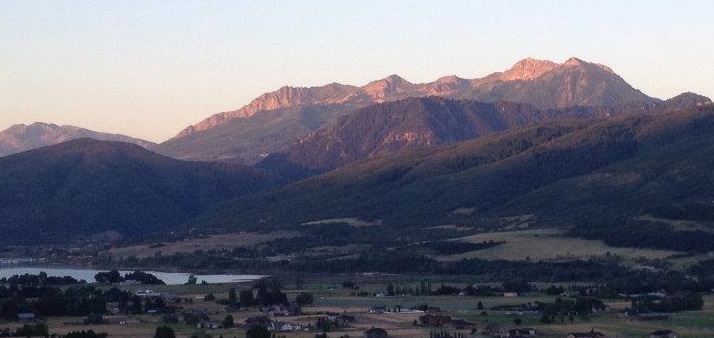 Last week, I spent time in surrounding Salt Lake City, Utah area. In addition to taking in the many beautiful sights, drinking low alcohol beer (only 4.0 percent or lower beer is sold at grocery stores) and enjoying the respite from 95 degree Philly temperatures, I also did get a chance to do some running.
 Eat, Drink & Run Philly